
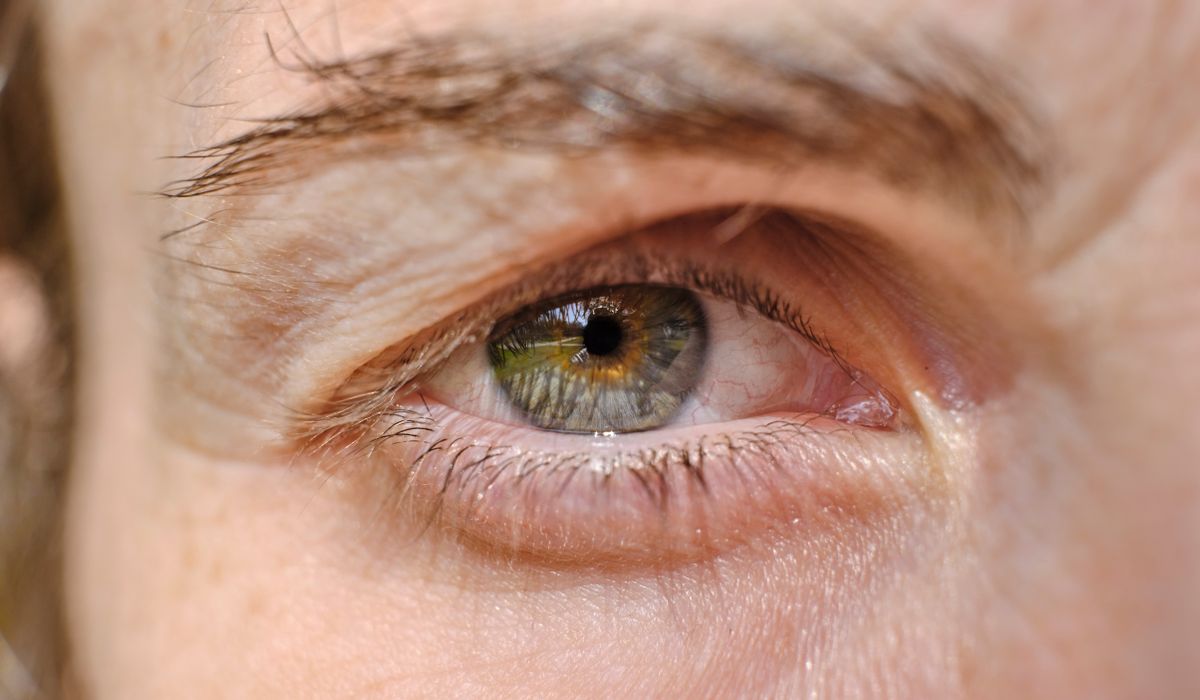
Helping a Family Member Adjust to Vision Loss
Understanding What Your Relative Is Facing
When someone you love is diagnosed with glaucoma, the initial conversation often focuses on eye drops, appointments and pressures measured in millimetres of mercury. What can get lost in the clinical detail is the emotional reality: for many people, glaucoma is a slow, quiet thief. It usually takes peripheral vision first, and because it is painless, it can progress for years before anyone notices. By the time a family member mentions that they are bumping into doorframes or struggling to see the kerb, they may already have lost a meaningful portion of their sight.
Glaucoma is one of the leading causes of irreversible sight loss in the UK, and it becomes more common with age. That matters for families, because the person adjusting to it is often a parent or grandparent who has spent a lifetime being the capable one. Your role is not to take over their life. It is to help them keep as much of it as possible.
Adjustment takes time and rarely follows a straight line. Expect good days and frustrated ones. Patience, more than any gadget, is the most useful thing you can bring.
Let Them Lead the Conversation
Resist the urge to arrive with a plan. Start by asking what they find hardest, rather than telling them what you have noticed. A question like "What would make daily life easier for you?" gives them control and often reveals practical problems you would never have guessed.
Some people will want to talk openly about their diagnosis; others will deflect, make jokes or change the subject. Both responses are normal. Follow their lead and let them set the pace. If they seem low for weeks on end, withdrawn, or say they see no point in going out, that is worth raising gently with their GP, as depression is common alongside sight loss and is treatable.
Practical Changes Around the Home
Small adjustments can make a striking difference to safety and confidence. Offer to help with these rather than doing them unannounced, and work through them together so your relative knows where everything is.
- Lighting: Increase brightness in hallways, stairwells and kitchens. Glaucoma narrows the visual field, so good, even light helps them use what sight remains. Add task lamps beside favourite chairs and where they read.
- Contrast: Choose plain, light-coloured mugs on a dark tray, or vice versa. Coloured tape on the edges of steps, white plates on dark tablecloths, and a bright strip along the top and bottom stair make edges visible.
- Declutter: Keep walkways, particularly between the bedroom, bathroom and kitchen, free of low furniture, trailing cables and loose rugs.
- Organisation: Give everyday items a fixed home. Label medicines with large-print or tactile markers, and consider a pill organiser with raised bumps.
- Technology: Smart speakers, talking watches, large-button phones and screen-reading software can all preserve independence. Many local sight loss charities offer free demonstrations.
Supporting Independence, Not Replacing It
The instinct to help can tip into harm. A relative who stops cooking, walking to the shops or handling their own finances may lose skills, confidence and purpose faster than the condition itself would cause. Ask before you assist, and offer choices. "Would you like me to read the letters, or shall I set up the magnifier so you can?" is very different from simply taking the post away.
Encourage them to stay mobile. A white cane or symbol cane signals to others that the person has low vision, and it can be used even by someone with partial sight. Guide dogs, though not suitable for everyone, transform life for some. If they are nervous about going out alone, a few accompanied journeys along familiar routes can rebuild confidence.
Also, help them keep up with treatment. Glaucoma drops only work if they are used consistently, and missed doses can allow further, permanent damage. Set phone reminders, help order repeat prescriptions, and make sure someone can attend appointments and ask questions. Family members are often the ones who notice a change in vision first, so it is worth knowing the signs of acute angle-closure glaucoma, including sudden severe eye pain, halos around lights, headache and nausea. That is a medical emergency and needs immediate attention.
Looking After Yourself and the Wider Family
Supporting someone through sight loss can be draining, especially if you are also managing work or your own family. Share the load where you can, whether that means a rota of lifts or simply telling a sibling what you have noticed. Talk about your own feelings too; resentment, guilt and sadness are common and do not mean you are doing a bad job.
It also helps to involve the wider family, including children, in an age-appropriate way. Explaining that Grandpa sees less well now, and showing them not to move his things or leave bags on the floor, helps everyone feel more confident. Many people with glaucoma retain useful central vision for years, so assumptions about what they cannot do are often wrong.
Finally, remember that glaucoma runs in families. If your relative has it, you and other first-degree relatives are at higher risk and are entitled to a free NHS eye test if you are over 40. Booking your own check is one of the most practical acts of care you can offer.
Where to Find Further Help
You do not have to work everything out alone. The GP can refer your relative to a low vision clinic, where specialists assess remaining sight and recommend magnifiers, lighting and other aids, often free through the NHS. Local authority sensory teams and national sight loss charities provide rehabilitation officers who can visit the home, teach safe mobility, and lend equipment. Your relative's hospital eye clinic is also used to answering questions about daily living, not just pressures and drops.
Adjusting to glaucoma is a gradual process of small accommodations and steady encouragement. With the right support, most people continue to live full, active and independent lives. Your presence, patience and willingness to ask rather than assume will matter more than you know.
tag: Support

Mr Rowan Griffiths Author
Glaucoma can affect driving, but many people continue safely. Review legal requirements, practical checks, and when to inform authorities.
YOU MAY ALSO LIKE

Practical Tips for Driving with Glaucoma Safely
Jun 29
10This guide explains what happens during a first glaucoma assessment, including eye pressure checks, optic nerve review, and visual field testing.
read more
Understanding Glaucoma Diagnosis at Your First Eye Appointment
Sep 25
10Age, family history, ethnicity, and certain medical conditions can raise your risk. Knowing these factors helps you seek timely eye checks.
read moreDiagnosis
-

ERRIC CATONA
Bring a list of questions to your appointment, covering treatment options, daily routines, and what to expect from ongoing monitoring.
May 19, 2016 at 5.12 pm
Reply
ERRIC CATONA
Learn how to instil eye drops correctly, avoid contamination, and manage side effects while keeping a steady routine each day.
May 19, 2016 at 5.12 pm
Reply -
ERRIC CATONA
Laser procedures can help lower eye pressure when drops are not enough. This article outlines types, benefits, and aftercare.
May 19, 2016 at 5.12 pm
Reply
Treatments
Your email address will not be published.