
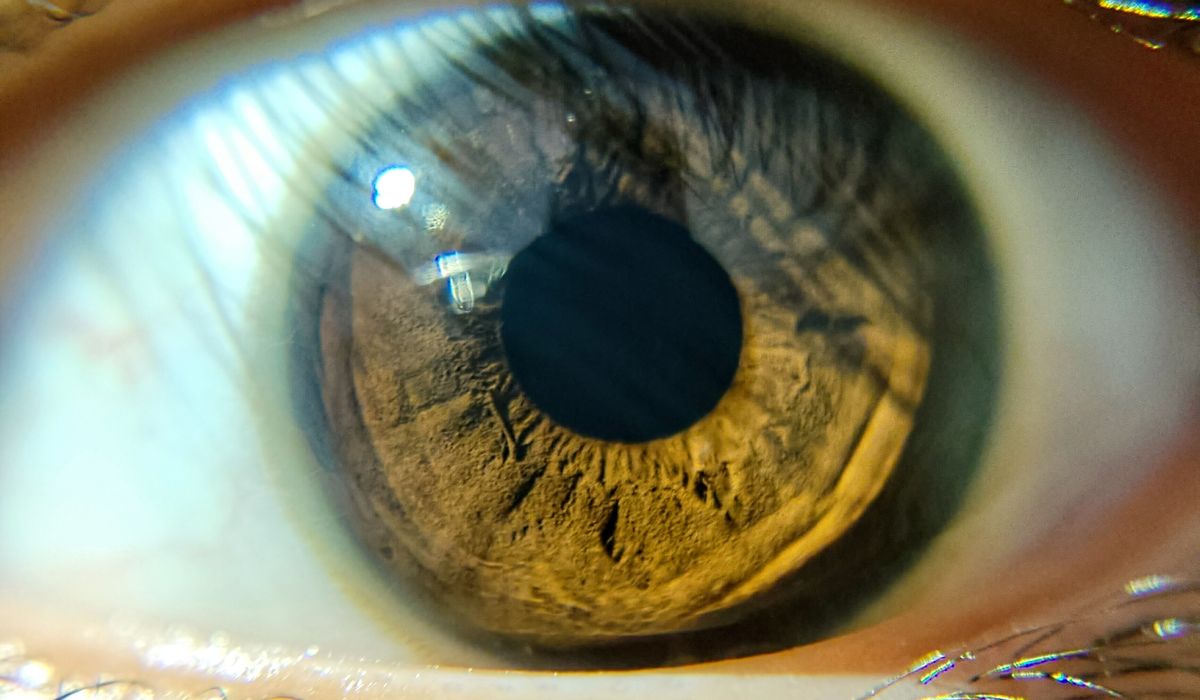
Practical Tips for Driving with Glaucoma Safely
Being diagnosed with glaucoma doesn't automatically mean giving up driving. Many people with the condition continue to drive safely for years, especially when it's caught and treated early. However, glaucoma can gradually affect peripheral vision and contrast sensitivity, so it's important to be proactive. Here are some practical steps to help you stay safe and legal on the road.
How glaucoma can affect your driving
Glaucoma often damages peripheral vision first, which is the vision you use to spot pedestrians, cyclists, and other vehicles at the edges of your view. You might also find it harder to see in low light, distinguish between similar shades, or cope with glare from headlights and sun. These changes can creep up slowly, so you may not notice them at first. Regular visual field tests are essential to pick up any changes before they affect your driving.
Legal requirements: what you must do
In the UK, you must tell the Driver and Vehicle Licensing Agency (DVLA) if you have glaucoma in both eyes, or if you have glaucoma in one eye and reduced vision in the other. You also need to inform them if you've had certain eye surgery or laser treatment for glaucoma. It's not just about keeping your licence valid; failure to notify can lead to a fine of up to £1,000 and could invalidate your insurance if you have an accident.
You must also meet the legal minimum vision standards for driving. This means being able to read a number plate from 20 metres (with glasses or contact lenses if needed) and having a visual field of at least 120 degrees. Your optometrist or ophthalmologist can check this. Always tell your car insurance provider about any changes to your health that could affect your driving.
Practical checks before you get behind the wheel
- Keep up with eye tests: Have a full eye examination at least every two years, or more often if advised. Visual field tests are particularly important.
- Update your glasses: Ensure your prescription is current and consider anti-reflective coatings to reduce glare.
- Clean your windscreen and mirrors: A dirty windscreen worsens glare and reduces visibility. Replace worn wiper blades.
- Adjust mirrors properly: Set your interior and side mirrors to minimise blind spots. Sit comfortably and check your seating position.
- Check your lights: Make sure headlights, brake lights, and indicators work. Clean them regularly.
- Consider anti-glare glasses: Yellow-tinted lenses can help with night driving glare, but check with your optometrist first.
Adapting your driving habits
Small changes can make a big difference. Plan your routes to avoid complicated junctions, roadworks, and busy times of day. Take regular breaks on longer journeys – at least every hour – to rest your eyes. Increase your following distance so you have more time to react. If you find night driving difficult due to glare or reduced contrast, try to limit driving after dark. Using familiar routes can also reduce stress and help you concentrate on the road.
Be honest with yourself about your abilities. If you feel unsure or anxious, ask a trusted passenger to accompany you for a while. Avoid driving when you're tired or when your eyes feel strained. Some people find that a satnav helps with navigation, but avoid fiddling with it whilst driving.
When to seek further advice or consider stopping
If you notice you're bumping kerbs, missing junctions, struggling to see road signs, or feeling less confident, speak to your eye specialist. They can assess whether your vision meets the legal standard and advise on next steps. The DVLA may ask you to take a driving assessment. Sometimes, adjustments like restricting driving to daylight hours or familiar routes are enough. If your vision has deteriorated significantly, it may be safer to stop driving. This can be a difficult decision, but there are alternatives such as public transport, community car schemes, and lifts from friends and family.
Looking after your eye health
The best way to protect your driving is to manage your glaucoma well. Use your eye drops as prescribed, attend all follow-up appointments, and tell your specialist about any changes in your vision. A healthy lifestyle – including regular exercise, a balanced diet, and not smoking – can also support eye health. Remember, early detection and consistent treatment can slow glaucoma's progression, helping you maintain your independence and safety on the road for as long as possible.
tag: Support

Dr Meera Shah Author
This guide explains what happens during a first glaucoma assessment, including eye pressure checks, optic nerve review, and visual field testing.
YOU MAY ALSO LIKE

Understanding Glaucoma Diagnosis at Your First Eye Appointment
Sep 25
10Age, family history, ethnicity, and certain medical conditions can raise your risk. Knowing these factors helps you seek timely eye checks.
read more
Common Risk Factors That May Increase Glaucoma Chances
Sep 20
10Bring a list of questions to your appointment, covering treatment options, daily routines, and what to expect from ongoing monitoring.
read moreDiagnosis
-

ERRIC CATONA
Learn how to instil eye drops correctly, avoid contamination, and manage side effects while keeping a steady routine each day.
May 19, 2016 at 5.12 pm
Reply
ERRIC CATONA
Laser procedures can help lower eye pressure when drops are not enough. This article outlines types, benefits, and aftercare.
May 19, 2016 at 5.12 pm
Reply -
ERRIC CATONA
Some people need more than one medication. Understand how combinations work, possible interactions, and why timing matters for control.
May 19, 2016 at 5.12 pm
Reply
Treatments
Your email address will not be published.