
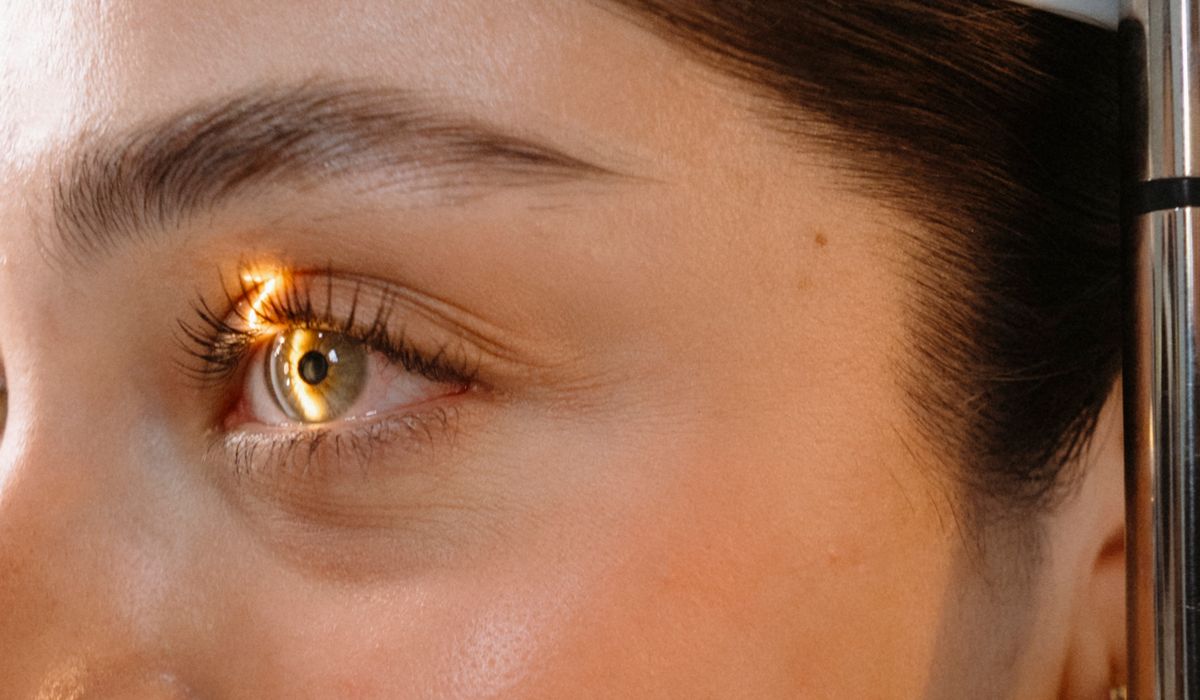
Eye Drops for Glaucoma: How to Use Them Properly
Glaucoma is a common eye condition that can quietly damage the optic nerve, often without any early symptoms. For most people, prescription eye drops are the first line of defence, helping to lower the pressure inside the eye and protect your sight. But the benefits only work if the drops actually reach your eye, stay free from contamination, and are used consistently. Getting the technique right is just as important as remembering to use them.
Getting Your Technique Right
Instilling eye drops correctly takes only a moment, but small adjustments make a big difference. Start by washing your hands thoroughly with soap and water. If your drop is a suspension, shake the bottle gently first. Remove the cap and avoid touching the tip against anything, including your eye, eyelashes, or fingers.
You can sit, stand, or lie down. Tilt your head back and look up at the ceiling. With your free hand, gently pull down your lower eyelid to create a small pocket. Hold the dropper just above this pocket – without touching it – and squeeze one drop. Close your eye gently for one to two minutes. Try not to blink or squeeze your eyelids tightly, as this can push the drop out.
Next, press your finger lightly against the inner corner of your eye, near the nose, for two minutes. This simple step, called punctal occlusion, helps the drop stay in your eye and reduces how much of it drains into your throat, which can lessen side effects. If you use more than one type of eye drop, wait at least five minutes between them so the first drop is not washed away.
- Never double up if you miss a dose. Take it as soon as you remember, unless it is almost time for the next dose. Then carry on as normal.
- If you wear contact lenses, check whether your drops are compatible. Some need to be removed before instilling and left out for 15 minutes afterwards.
Avoiding Contamination
Eye drops are sterile, and keeping them that way protects your eye from infection. The tip of the bottle must never touch your eye, eyelid, fingers, or any surface. After use, close the cap tightly straight away. Wash your hands again after instilling your drops, especially if you have been touching your face.
Never share your eye drops with anyone else, even if they have the same condition. Write the date you opened the bottle on the label. Most drops must be discarded four weeks after opening, even if there is liquid left, because bacteria can grow. Some preservative-free drops have an even shorter shelf life. Store your drops as directed – some need to be kept in the fridge. If you have several bottles, keep them clearly labelled and separate to avoid mix-ups.
Managing Side Effects
It is common to notice some stinging or a brief blurring of vision right after putting in drops. These usually settle quickly. Other side effects can include redness, dry eyes, or a gritty feeling. Some glaucoma drops can cause longer-term changes, such as longer eyelashes, darker iris colour, or darkening of the eyelid skin. These are not harmful but may be noticeable.
More serious side effects are rare but possible, especially with beta-blocker drops. These can include fatigue, shortness of breath, a slow heartbeat, or feeling depressed. Using punctal occlusion helps reduce these systemic effects. If you have persistent dryness, ask your eye care professional about preservative-free options or artificial tears – but wait at least five minutes after your glaucoma drop before using any other eye product.
- Report any troublesome side effects to your ophthalmologist or optometrist. Do not simply stop using your drops, as this can allow the pressure to rise and damage your sight.
- Keep a note of when side effects happen and how long they last, so your clinician can adjust your treatment if needed.
Building a Steady Routine
Glaucoma drops work best when used at the same times every day. Because glaucoma often has no symptoms, it is easy to forget a dose when you feel perfectly well. Set an alarm on your phone or link your drops to a daily habit, such as brushing your teeth or making a morning cup of tea. Keep your drops somewhere visible but out of reach of children and pets.
If you use several medications or have other eye conditions, ask your eye care professional to help you plan a timetable that fits your day. A simple chart or calendar can help you tick off each dose. When travelling, pack spare drops in your hand luggage and carry a copy of your prescription. Regular eye tests – usually every one to two years, or more often if advised – are essential to check that your treatment is working.
When to Seek Help
Contact your eye care provider urgently if you experience severe eye pain, sudden vision loss, marked redness, swelling, or discharge from the eye. These could be signs of infection or another serious problem. Also seek advice if side effects become hard to tolerate, or if you are struggling to use your drops correctly. Never stop or change your glaucoma treatment without speaking to your clinician first. With good technique, a steady routine, and prompt attention to problems, eye drops can effectively protect your vision for years to come.
tag: Treatments

Dr Harriet Coombes Author
Laser procedures can help lower eye pressure when drops are not enough. This article outlines types, benefits, and aftercare.
YOU MAY ALSO LIKE

Laser Treatment Options for Lowering Eye Pressure
Sep 11
10Some people need more than one medication. Understand how combinations work, possible interactions, and why timing matters for control.
read more
Combining Medications Safely for Better Glaucoma Control
Sep 5
10Visual field tests map your peripheral vision and help clinicians detect changes that may indicate worsening glaucoma between appointments.
read moreDiagnosis
-

ERRIC CATONA
Optic nerve scans provide detailed images that help specialists compare changes over time and guide decisions about your treatment plan.
May 19, 2016 at 5.12 pm
Reply
ERRIC CATONA
Noticing subtle vision changes can be difficult. Recording symptoms and concerns helps you make the most of each glaucoma review.
May 19, 2016 at 5.12 pm
Reply -
ERRIC CATONA
Your eye pressure reading is one part of a wider assessment. Learn what numbers mean and why your specialist considers other factors.
May 19, 2016 at 5.12 pm
Reply
Treatments
Your email address will not be published.