
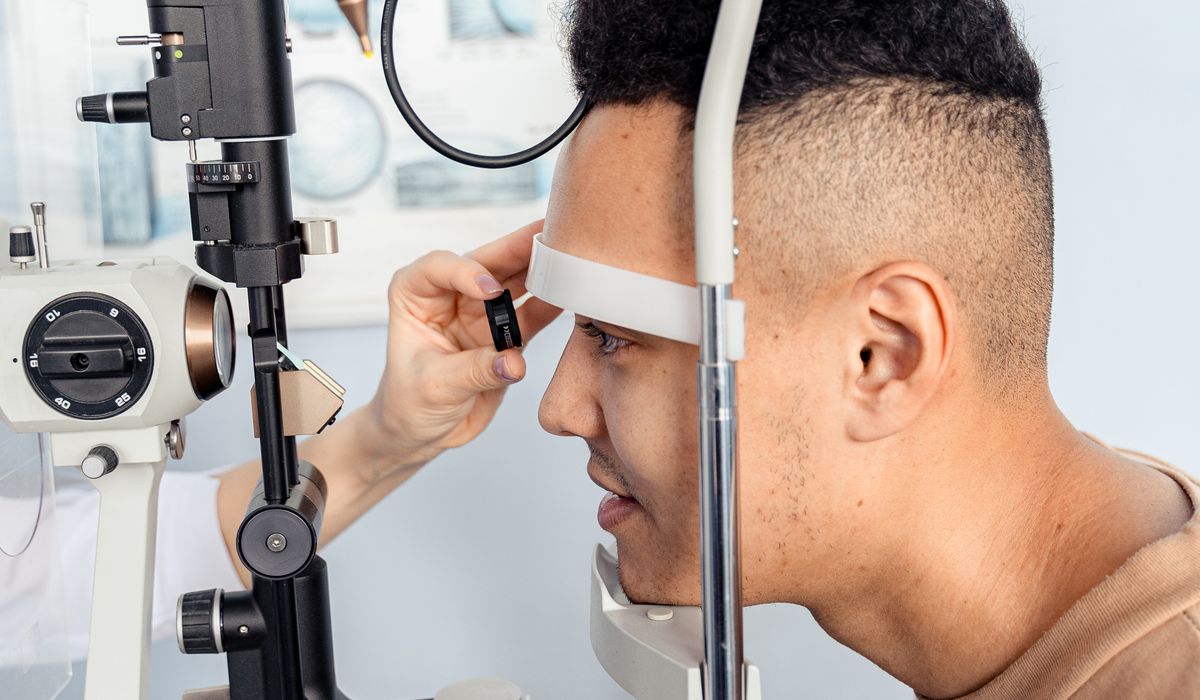
Questions to Ask When Newly Diagnosed with Glaucoma
Being told you have glaucoma often comes as a shock, particularly because the condition can develop quietly, without any obvious change to your vision. The first appointment after diagnosis tends to pass in a blur of new terms — intraocular pressure, optic nerve cupping, visual fields — and it is easy to leave the room realising you never asked the things that actually mattered to you. Writing your questions down beforehand, and taking them with you, is one of the simplest ways to feel more in control.
Understanding Your Diagnosis
Before you can weigh up treatment, it helps to understand exactly what has been found. Ask your ophthalmologist or optometrist to explain your results in plain language, and do not be afraid to ask them to repeat something.
- What type of glaucoma do I have? Open-angle, closed-angle and secondary glaucomas behave differently and are managed differently.
- How much damage has already occurred? Ask specifically about your optic nerve and whether any vision has been lost.
- What were my eye pressure readings, and what is my target? Most people have a personal target pressure, not just a general "normal" range.
- Is my other eye affected? Often one eye is further along than the other.
- Will I go blind? It is a difficult question, but a fair one — most people with glaucoma retain useful sight for life with treatment.
Questions About Treatment Options
Treatment is usually aimed at lowering pressure to slow or stop further damage. There is rarely only one route, so it is worth understanding the choices.
- What are the pros and cons of drops, laser treatment and surgery for me? Options include daily eye drops, laser procedures such as selective laser trabeculoplasty, and various operations.
- Why are you recommending this option first? How far the condition has progressed, side effects and convenience all play a part.
- What side effects should I expect? Redness, stinging, blurred vision, darker eyelashes or irritated skin around the eye are common with some drops.
- Are preservative-free versions available? They can suit people with dry eye, allergies or asthma.
- What happens if I miss a dose, or if I stop altogether? Be honest about how you feel about daily treatment — there are alternatives.
Fitting Treatment Into Your Daily Routine
Glaucoma treatment is a long-term commitment, so the practical details matter as much as the clinical ones. A routine that works for you is far more likely to be followed.
- When exactly should I use my drops? Ask about timing, spacing between different drops, and whether your schedule can be adjusted around work or sleep.
- How do I put drops in properly? Ask for a demonstration — closing your eye gently for a minute and pressing the inner corner can reduce how much reaches your bloodstream.
- Can I wear contact lenses? Some drops need to be used well before or after lenses go in.
- Do my other medicines interact with these drops? Bring a list of everything you take, including inhalers and over-the-counter remedies.
- How should I store them, and how do I get repeat prescriptions? Most drops last four weeks once opened.
What Ongoing Monitoring Involves
Glaucoma care is a long game, and much of it happens in the clinic rather than at home. Knowing what to expect makes appointments feel less mysterious.
- How often will I be seen? Appointments may be every few months at first, then spaced out once your pressure is stable.
- Which tests will be repeated? Eye pressure checks, visual field tests and scans of the optic nerve are the usual trio.
- How do you decide whether treatment is working? Ask what would prompt a change of plan.
- Should I keep using my drops on appointment days? Usually yes — but confirm, as some clinics prefer otherwise.
- Who do I contact between appointments if something changes? Get a name and a number, and know what counts as urgent — sudden pain, redness or rapid vision change should not wait.
Practical and Day-to-Day Matters
A few questions about the wider picture can save you worry later.
- Does glaucoma affect my driving? You must tell the DVLA if glaucoma affects both eyes or if you have certain visual field loss, and your insurer too.
- Can I be registered as sight impaired? If your sight meets the criteria, registration opens access to practical support and concessions.
- Should my relatives be tested? First-degree relatives have a higher risk and are usually entitled to free eye tests.
- Can I reduce prescription costs? A prescription prepayment certificate often works out cheaper if you use drops daily.
- Where can I find reliable information and support? Ask your clinic about local and national patient organisations.
Making the Most of Each Appointment
Take a notebook or use your phone to record answers, and consider bringing someone with you — two sets of ears are better than one. Ask for written information about your diagnosis, your target pressure and your treatment plan, and request copies of clinic letters. If something is unclear, say so; no question is too basic when it concerns your sight. Keeping a simple note of when you use your drops, and any side effects you notice, gives your clinician useful information and helps you stay on track between visits.
tag: Diagnosis

Mr Rowan Griffiths Author
Learn how to instil eye drops correctly, avoid contamination, and manage side effects while keeping a steady routine each day.
YOU MAY ALSO LIKE

Eye Drops for Glaucoma: How to Use Them Properly
Sep 13
10Laser procedures can help lower eye pressure when drops are not enough. This article outlines types, benefits, and aftercare.
read more
Laser Treatment Options for Lowering Eye Pressure
Sep 11
10Some people need more than one medication. Understand how combinations work, possible interactions, and why timing matters for control.
read moreDiagnosis
-

ERRIC CATONA
Visual field tests map your peripheral vision and help clinicians detect changes that may indicate worsening glaucoma between appointments.
May 19, 2016 at 5.12 pm
Reply
ERRIC CATONA
Optic nerve scans provide detailed images that help specialists compare changes over time and guide decisions about your treatment plan.
May 19, 2016 at 5.12 pm
Reply -
ERRIC CATONA
Noticing subtle vision changes can be difficult. Recording symptoms and concerns helps you make the most of each glaucoma review.
May 19, 2016 at 5.12 pm
Reply
Treatments
Your email address will not be published.