
Laser Treatment Options for Lowering Eye Pressure
Why Your Eye Pressure Matters
If you have glaucoma, you have probably heard the phrase "lowering your eye pressure" more times than you can count. That is because raised intraocular pressure (IOP) is the single most important risk factor we can treat. Glaucoma damages the optic nerve, usually slowly and without symptoms at first, and the higher the pressure inside your eye, the greater the risk of further damage. Prescription eye drops remain the first-line treatment for most people in the UK, and they work well for many. But drops are not always enough, and they are not always easy to live with.
Some people find drops cause stinging, redness or blurred vision. Others struggle with dexterity, memory or simply getting the bottle to their eye four times a day. For others, drops work but do not bring the pressure down far enough, or the pressure creeps up over time. This is where laser treatment can genuinely change things. It is quick, usually done in an outpatient clinic, and for many patients it can delay or reduce the need for drops.
The Main Laser Options Explained
There are two broad aims of laser treatment in glaucoma: improving the drainage of fluid from the eye, or reducing the amount of fluid the eye produces. The most commonly used procedures are:
- Selective laser trabeculoplasty (SLT): The most frequently offered laser in the UK. A gentle laser is applied to the trabecular meshwork, the drainage channel inside the eye. It stimulates the tissue to drain fluid more efficiently. SLT is usually painless and can be used as a first treatment or alongside drops.
- Argon laser trabeculoplasty (ALT): An older cousin of SLT that works on the same drainage tissue but uses a different laser. It is still used in some centres, though SLT has largely replaced it because it is gentler and can be repeated.
- Laser peripheral iridotomy (LPI): Used mainly for angle-closure glaucoma. A tiny hole is made in the iris to allow fluid to flow more freely and prevent or relieve a sudden rise in pressure. It is often performed on both eyes, even if only one is affected.
- Cyclodiode or endoscopic cyclophotocoagulation (ECP): These target the ciliary body, the structure that produces the fluid inside the eye. They are usually reserved for more complex or advanced cases, or when other treatments have not worked.
Your ophthalmologist will recommend a particular option based on the type of glaucoma you have, the appearance of your drainage angle, your previous treatments, and your general health.
What Happens During the Procedure
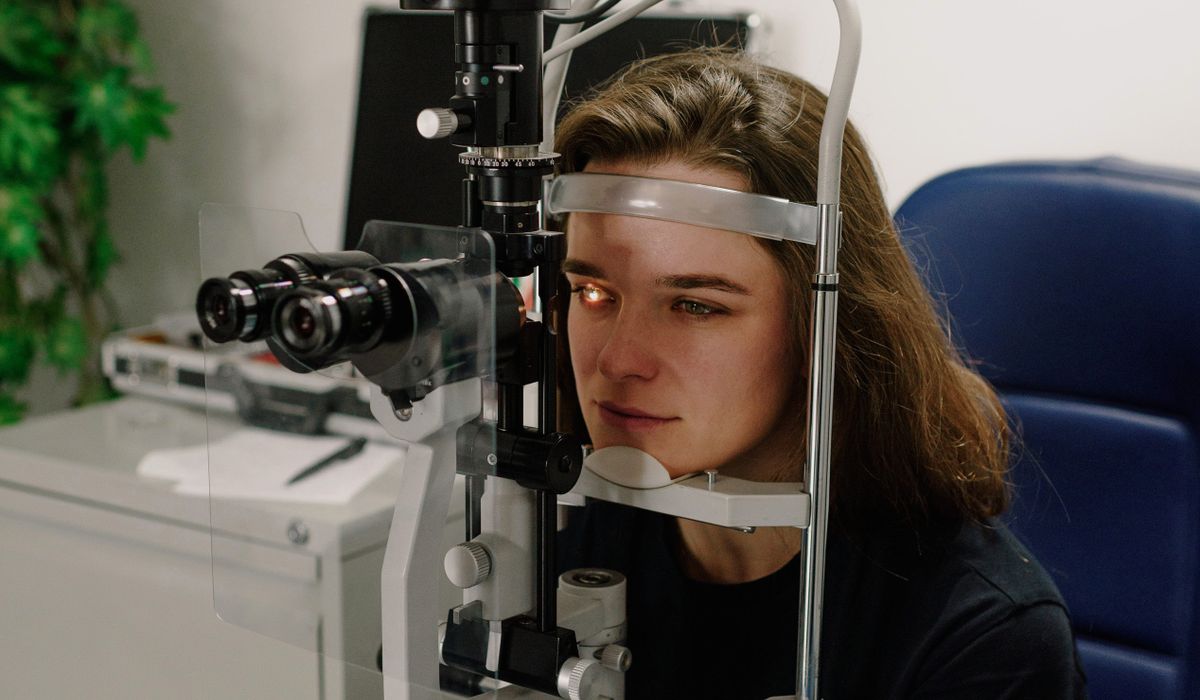
Most laser treatments take between five and fifteen minutes. You will be seated at a slit lamp, the same instrument used for your routine eye examinations, and given anaesthetic drops so you feel little or nothing. A special contact lens may be placed on your eye to focus the laser precisely.
You may see bright flashes of light during treatment, which is normal. Afterwards, your vision is often a little blurry for a few hours, and your eye may feel gritty or slightly sore. Many people return to normal activities the same day, though it is sensible to arrange for someone to drive you home if your vision is affected. You will usually be given anti-inflammatory drops for a short period, and occasionally pressure-lowering drops as well.
The Benefits and the Realistic Limits
For many patients, SLT lowers eye pressure by around 20 to 30 per cent, which can be enough to bring you into a safer range or allow your drops to be reduced. The effects can last for months or several years, and the procedure can sometimes be repeated. Because it avoids the daily routine of drops, it can be a real relief for people who find instilling them difficult or who experience side effects.
It is important to be honest about the limits, though. Laser treatment does not cure glaucoma, and it does not repair damage that has already occurred. Some people respond well, others less so, and a minority see little change at all. Occasionally, pressure can rise briefly after treatment, which is why your clinician will check you afterwards. Laser is a tool in a wider plan, not a replacement for regular monitoring.
Aftercare and Monitoring
Looking after your eyes after a laser procedure is mostly about keeping appointments and being consistent with any drops you are still using. A typical follow-up schedule might include:
- A pressure check within a few weeks, once any short-term inflammation has settled.
- Further visual field tests and optic nerve imaging at intervals recommended by your clinician.
- Continued use of prescribed drops unless you are specifically told to stop them.
- Prompt contact with your eye clinic if you notice increased pain, redness, sudden vision changes or halos around lights.
It also helps to look after your general eye health. Keep your blood pressure and blood sugar well controlled, stay hydrated, avoid smoking, and wear sunglasses in bright sunlight. If you are prescribed drops, learn a technique that suits you, such as lying down or using a drop aid, and ask your practice nurse for help if you are struggling.
Making the Decision Together
Laser treatment is not right for everyone, but for many people with glaucoma it offers a safe, effective way to lower eye pressure with minimal disruption. The key is a proper conversation with your ophthalmologist about your type of glaucoma, your target pressure, and what matters most to you in daily life. Ask about the risks, the expected benefit, and what happens if the laser does not work as hoped. Good glaucoma care is a partnership, and you are an essential part of it.
If you have been struggling with drops or wondering whether laser might help, bring it up at your next appointment. It is a reasonable question, and often the answer is more encouraging than people expect.
tag: Treatments

Dr Meera Shah Author
Some people need more than one medication. Understand how combinations work, possible interactions, and why timing matters for control.
YOU MAY ALSO LIKE

Combining Medications Safely for Better Glaucoma Control
Sep 5
10Visual field tests map your peripheral vision and help clinicians detect changes that may indicate worsening glaucoma between appointments.
read more
How Visual Field Tests Track Glaucoma Over Time
Sep 2
10Optic nerve scans provide detailed images that help specialists compare changes over time and guide decisions about your treatment plan.
read moreDiagnosis
-

ERRIC CATONA
Noticing subtle vision changes can be difficult. Recording symptoms and concerns helps you make the most of each glaucoma review.
May 19, 2016 at 5.12 pm
Reply
ERRIC CATONA
Your eye pressure reading is one part of a wider assessment. Learn what numbers mean and why your specialist considers other factors.
May 19, 2016 at 5.12 pm
Reply -
ERRIC CATONA
Eye pressure often varies throughout the day. Understanding these natural fluctuations can help your clinician plan accurate monitoring and treatment.
May 19, 2016 at 5.12 pm
Reply
Treatments
Your email address will not be published.